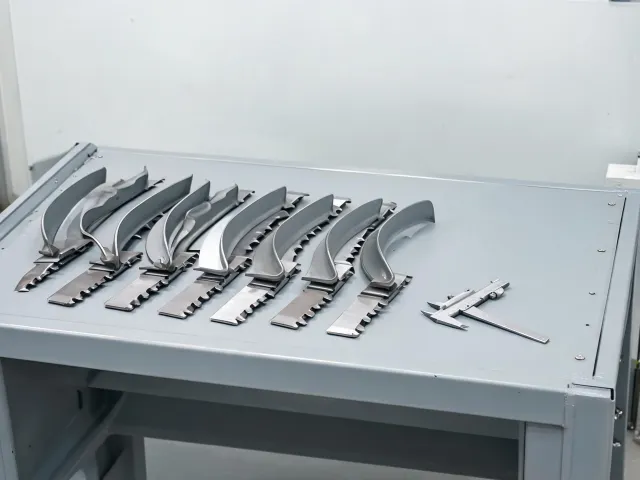
Blades and cutting components
Specify section shape, hole spacing, thickness, edge form and the matching guard. State whether you need individual sections or a complete knife assembly.
Review blade inquiry options →
Start with the assembly
A part name alone leaves room for incompatible substitutions. Record the machine model, serial range and assembly position alongside the reference on the removed part. These are inquiry families, with supplier availability and specifications still to be confirmed.
Specify section shape, hole spacing, thickness, edge form and the matching guard. State whether you need individual sections or a complete knife assembly.
Review blade inquiry options →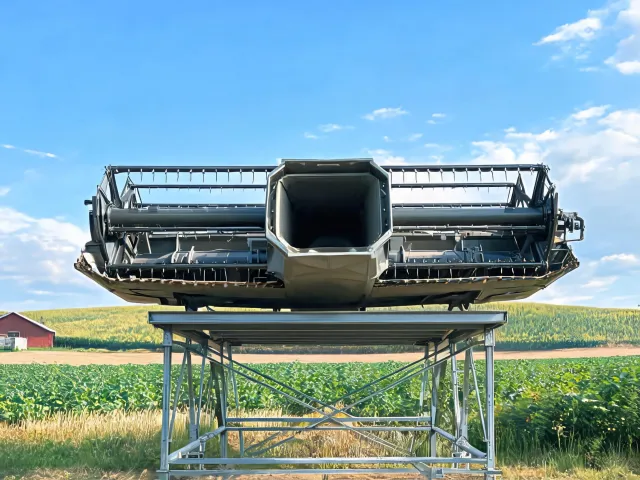
Separate the cutting width from the feeder opening and drive connection. Ask for an interface drawing rather than treating the nominal header width as proof of compatibility.
Translate crop use into a brief →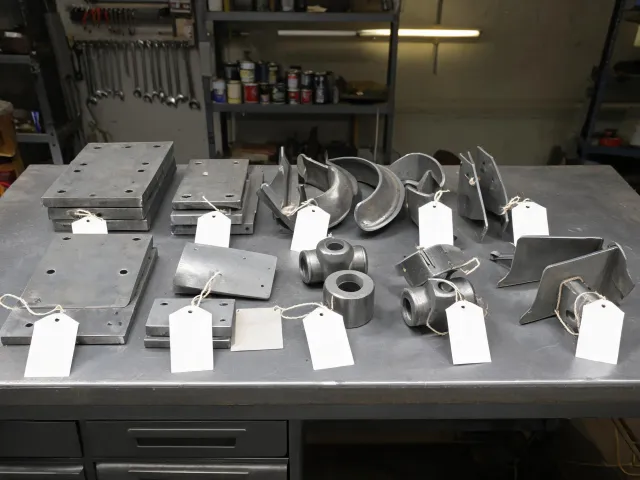
Identify the installation position and acceptable material specification. Request maintenance instructions and replacement references for the actual quoted configuration.
Organize technical evidence →Seasonal purchasing depends on the receiving site as well as the factory lead time. Tell us the US state or ZIP, quantity, receiving arrangements and required arrival date. Compare production, packing and transport assumptions separately before accepting an offer.

Use the operating situation to explain why the replacement matters; it does not establish a supplier performance claim.
Send part references, dimensions, crop and throughput basis, working width or capacity, quantity and destination. An optional budget should identify currency and whether it covers one item or the whole order.
Request Factory Quotes


